How Technology Is Changing Restaurant Signage and Customer Experience in the UAE
Discover how digital displays, interactive menus and smart signage are transforming restaurant branding, customer engagement and dining experiences across the UAE.
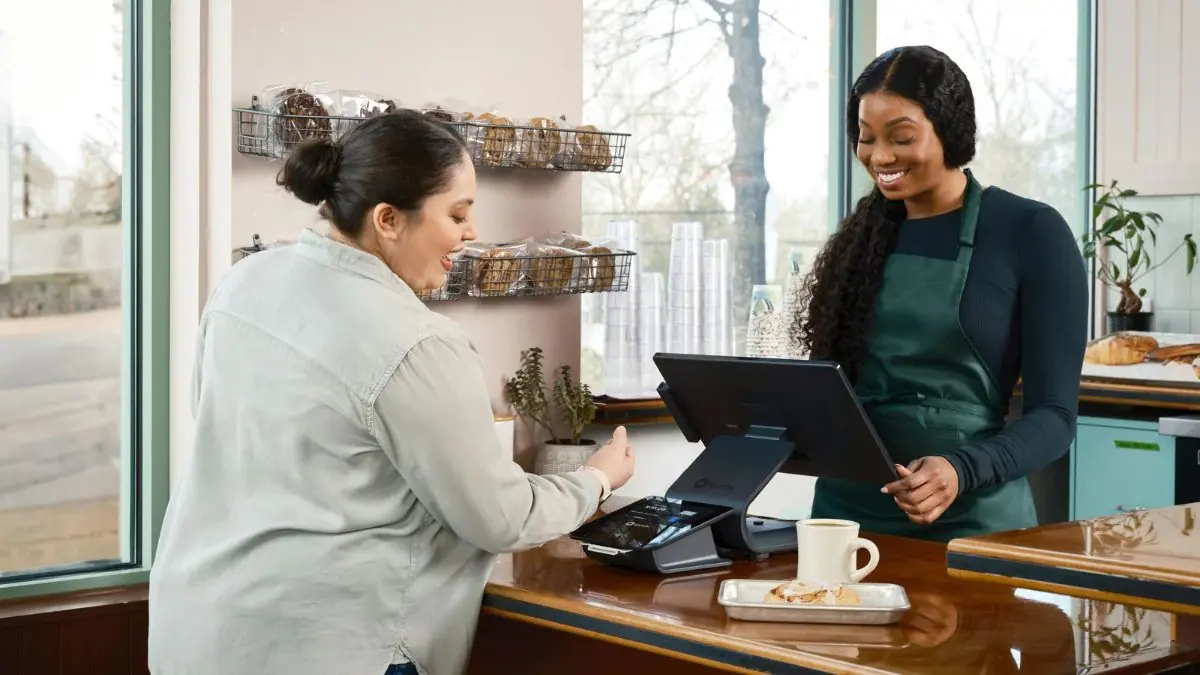
The UAE’s restaurant industry is increasingly becoming digital, and that change happens far beyond delivery apps and online reservations. Technology is moving into the physical restaurant itself. It transforms how customers discover venues, read menus, navigate spaces, and interact with brands.
The opportunity is major. IMARC Group survey reports the estimated value of the UAE foodservice market at $16.58 billion in 2024, and it is expected to reach $50.21 billion by 2033. Stats also show that diners tend to be more focused on personalized, tech-driven experiences. That means restaurant signage is no longer simply a branding tool. It constitutes a valuable part of the sales and service strategy.
From Static Signs to Dynamic Brand Experiences
Traditional signs deliver one message until someone physically changes them. Digital technology makes that message flexible. A venue can advertise for breakfast options in the morning, switch to lunch offers, followed by dinner specials and cocktails in the evening. Seasonal menus and price updates are also introduced from a single system without printing materials.
That flexibility matters in the UAE market where digital behavior is already deeply embedded. DataReportal found that 99% of the population was online in early 2025, while the country had 11.3 million social media user identities.
Centrally managed screens also solve a problem of consistency for restaurant groups. A new campaign can be rolled out across dozens of locations while individual branches retain the ability to promote local offers. This explains the boom in software development services in UAE. Restaurants that are actively adopting digitalization have higher chances of engaging customers and leaving competitors in the dust.
Restaurant Digital Menu Boards Are Becoming Smarter
Restaurant digital menu boards are changing more than menu presentation. They allow operators to manage promotional offerings and product visibility in real time.
For example, a dish is the top seller during lunchtime. A restaurant can give it greater prominence in peak hours, then promote a slower-selling item in quieter periods. If an ingredient runs out, the item can disappear from the screen immediately.
Digital menus also make testing possible. The staff can experiment with product placement, imagery, and promotional messages; then compare the results through sales data. This turns the menu into a business tool. Instead of treating every customer as a passive reader, restaurants can use content strategically for improving purchasing decisions.
Personalization Through Digital Displays
The bigger advantage lies in connecting digital displays for restaurants to the systems already running the business. Screens can potentially respond to time, location, inventory levels, or promotional schedules. A restaurant group could manage campaigns from a central dashboard, yet keep information synchronized across multiple branches.
The technology behind these systems is just as crucial as the screens themselves. Businesses investing in software development services in UAE can integrate signage with POS platforms, inventory systems, loyalty programs, and customer databases.
That creates a connected infrastructure. A change in one engine can trigger a relevant update elsewhere, reducing manual work and the risk that customers face outdated information.
Making Customer Engagement More Interactive
Good digital signage does not demand attention for its own sake. It gives customers a reason to interact.
A screen might encourage a QR scan for a loyalty reward, showcase a chef’s recommendation, or promote an ideal add-on to the customer’s order. Interactive content can also collect voluntary first-party data, helping brands understand what customers actually respond to. SevenRooms says that one in three UAE diners use Google to explore restaurants, proving the statement that digital overview plays a significant role in customer engagement in restaurants.
The opportunity extends from discovery to the dining room. A customer who has already encountered a restaurant online can enjoy a consistent visual and digital experience after arriving. That continuity strengthens a brand.
Restaurant Wayfinding Signage Gets a Digital Upgrade
Navigation feels more complicated in food halls, hotels, and mixed-use developments. Customers may know the restaurant they want, but have no idea which floor or entrance leads there.
Restaurant wayfinding signage can address that with digital maps and directional arrows, demonstrating real-time information. It can also do more than point the way.
A display directs visitors to a venue while showing its opening hours, current offer, or estimated wait. If one restaurant is busy, another nearby spot may be highlighted. Smart wayfinding can therefore serve two purposes for property owners and restaurants: reduce customer frustration and distribute foot traffic with greater efficiency.
Technology Can Boost the Entire Guest Journey
Restaurant guest experience technology works best when different individual tools are connected. A customer might discover a venue on Instagram, use a digital map to locate it, scan a menu, place an online order, and finally, receive a loyalty offer after paying. None of those interactions has to run in isolation.
Payment behavior in the UAE already supports this digital-first journey. Visa reported in January 2026 that 80% of payments in the country were digital, while mobile payments represented only 21% of transactions.
Unified systems can also ease pressure on employees for operators. Digital ordering and self-service features can handle repetitive tasks, leaving staff more time for the part of hospitality that technology fails to replicate – personal service.
Why UAE Businesses Need to Think Beyond the Screen
The mistake is to treat digital signage as a hardware purchase. A restaurant can install a wall of impressive screens and still deliver a poor experience.
Relevant content, reliable integrations, and clear objectives are things that prevent technology from becoming just expensive decoration. So restaurant leaders need to consider content management, cybersecurity, accessibility, maintenance and integration before starting to invest.
Software development services in UAE can help businesses build or connect the systems required to manage these moving parts. The business case should be straightforward. Will the technology increase average order value? Reduce staff workload? Improve navigation? Capture useful customer data? Boost retention? If it cannot answer at least one issue from the list, it may not deserve the allocated budget.
What Restaurant Leaders Should Pay Attention to
Begin with the customer, not the screen:
- Where do diners wait?
- What information do they repeatedly ask for?
- Which menu items need more visibility?
- Where do visitors get lost?
- Which processes take employees away from hospitality?
The answers point toward the appropriate technology. A small restaurant might gain the most from dynamic menus and QR-based promotions. A national chain may need centralized content management linked to POS and loyalty systems. A major hospitality development could prioritize intelligent wayfinding.
There is no universal technology package. The right solution depends on the friction a business is trying to remove.
The Future of Restaurant Signage in the UAE
The next generation of restaurant signage will be more connected, responsive, and data-led. Screens are going to increasingly interact with ordering, payment, inventory and loyalty systems. Content will be adjusted according to time, demand and customer behavior. AI is likely to accelerate that shift.
For CEOs, the takeaway is bigger than the replacement of printed signs with digital screens. Technology can connect the physical restaurant to the systems behind it to create a faster, more informed, and more consistent customer journey.
In the UAE’s crowded dining market, that can be the difference between signage that simply gets noticed and technology that actually moves the business forward.


