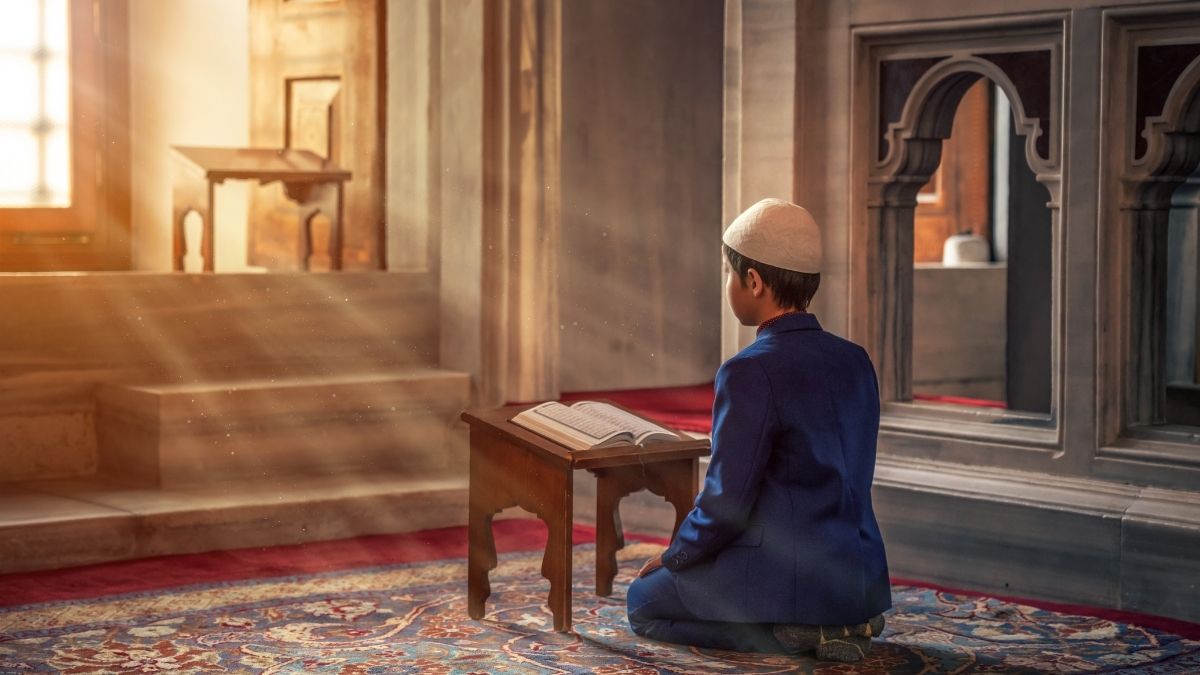
Every essential Ramadan dua you need – with Arabic text, clear transliteration and English meaning. Covers Suhoor, Iftar, all three Ashras and Laylatul Qadr. Save the infographic below and share it with family and friends.
Why Duas Matter During Ramadan
Ramadan is the holiest month in the Islamic calendar – a time for fasting, prayer, reflection and spiritual renewal. Duas (supplications) are a direct conversation with Allah, and the Prophet Muhammad (PBUH) taught that certain moments during Ramadan carry extra weight: the moment before breaking fast, the last third of the night and the blessed nights of the final Ashra.
Whether you are fasting in Dubai, Abu Dhabi or anywhere in the UAE, keeping these duas close helps you stay connected throughout the month. Below is the complete collection with Arabic script, phonetic transliteration for those who cannot read Arabic and the English meaning.
Essential Ramadan Duas
Dua for Suhoor (Before Starting the Fast)
Recite this dua after completing your pre-dawn meal to set your intention (niyyah) for the fast.
| Suhoor Dua – Niyyah for Fasting |
| وَبِصَوْمِ غَدٍ نَوَيْتُ مِنْ شَهْرِ رَمَضَانَ |
| Wa bisawmi ghadin nawaitu min shahri Ramadan Meaning: I intend to keep the fast for tomorrow in the month of Ramadan |
Tip: Many scholars say the intention can also be made in the heart without speaking it aloud. What matters is the sincere resolve to fast for Allah’s sake.
Dua for Iftar (Breaking the Fast)
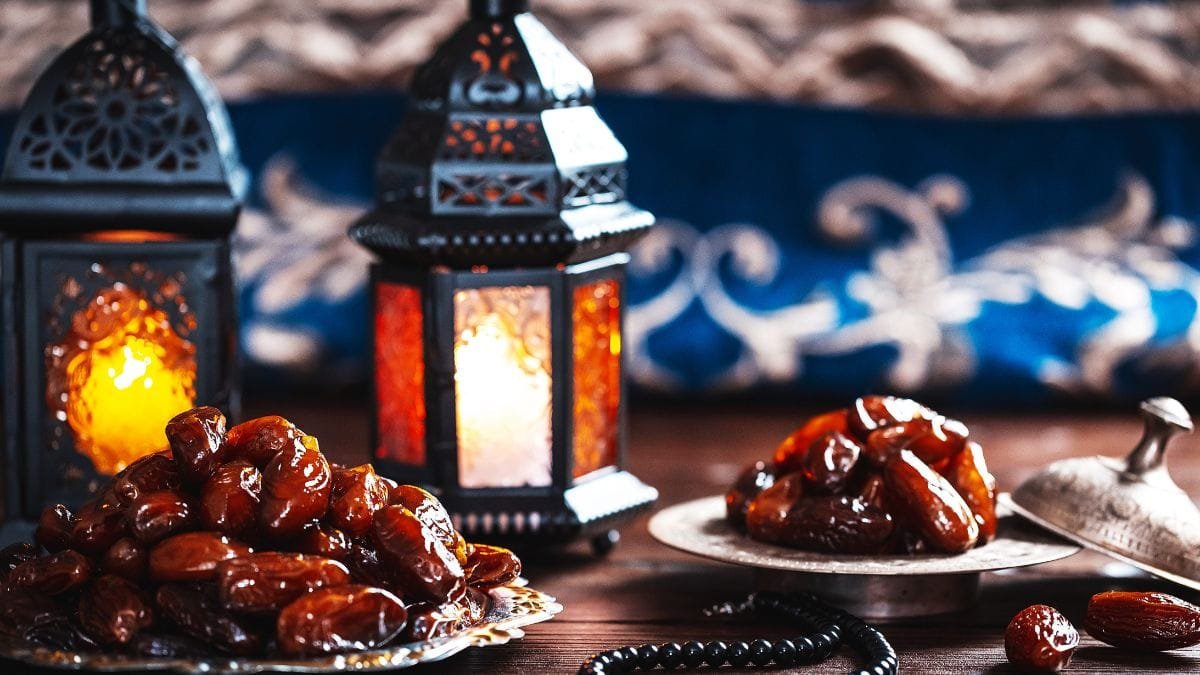
The moment of breaking fast is one of the most accepted times for dua. The Prophet (PBUH) said: “The supplication of the fasting person at the time of breaking fast is not rejected” (Ibn Majah).
Primary Iftar Dua
| Iftar Dua |
| اللَّهُمَّ إِنِّي لَكَ صُمْتُ وَبِكَ آمَنْتُ وَعَلَيْكَ تَوَكَّلْتُ وَعَلَى رِزْقِكَ أَفْطَرْتُ |
| Allahumma inni laka sumtu wa bika aamantu wa ‘alayka tawakkaltu wa ‘ala rizqika aftartu Meaning: O Allah, I fasted for You, believed in You, placed my trust in You and I break my fast with Your provision |
| Source: Abu Dawud |
Alternate Iftar Dua (from Hadith)
This shorter version is narrated in Sunan Abu Dawud and is widely used across the Arab world.
| Alternate Iftar Dua |
| ذَهَبَ الظَّمَأُ وَابْتَلَّتِ الْعُرُوقُ وَثَبَتَ الْأَجْرُ إِنْ شَاءَ اللَّهُ |
| Dhahaba adh-dhama’u wabtallatil-‘urooqu wa thabatal-ajru insha’Allah Meaning: The thirst has gone, the veins are moistened and the reward is assured, if Allah wills |
| Source: Sunan Abu Dawud 2357 |
The Three Ashras of Ramadan
Ramadan is divided into three periods of roughly ten days each – called Ashras. Each carries a distinct spiritual focus and a recommended dua.
First Ashra – Days 1 to 10 (Mercy / Rahma)
The first ten days of Ramadan emphasise seeking Allah’s mercy. This is the time to open your heart, increase acts of kindness and ask for divine compassion.
| First Ashra Dua – Mercy |
| رَبِّ اغْفِرْ وَارْحَمْ وَأَنْتَ خَيْرُ الرَّاحِمِينَ |
| Rabbighfir warham wa anta khairur rahimeen Meaning: My Lord, forgive and have mercy, for You are the best of those who show mercy |
| Source: Quran 23:118 |
Second Ashra – Days 11 to 20 (Forgiveness / Maghfirah)
The middle ten days focus on seeking forgiveness. This is when you reflect on past mistakes, make sincere tawbah (repentance) and ask Allah to wipe your slate clean.
| Second Ashra Dua – Forgiveness |
| أَسْتَغْفِرُ اللَّهَ رَبِّي مِنْ كُلِّ ذَنْبٍ وَأَتُوبُ إِلَيْهِ |
| Astaghfirullaha Rabbi min kulli dhanbin wa atoobu ilaihi Meaning: I ask Allah, my Lord, for forgiveness from every sin and I repent to Him |
Third Ashra – Days 21 to 30 (Protection from Hellfire / Najah)
The final ten days are the most sacred – they include Laylatul Qadr (the Night of Power). The focus shifts to seeking protection from the Hellfire. Many Muslims increase their worship, perform I’tikaf and stay up for night prayers.
| Third Ashra Dua – Protection |
| اَللَّهُمَّ أَجِرْنِي مِنَ النَّارِ |
| Allahumma ajirni minan-naar Meaning: O Allah, save me from the Hellfire |
Dua for Laylatul Qadr (The Night of Power)

Laylatul Qadr falls in the last ten nights of Ramadan – most likely on one of the odd nights (21st, 23rd, 25th, 27th or 29th). The Quran describes it as “better than a thousand months” (Surah Al-Qadr, 97:3). When Aisha (RA) asked the Prophet (PBUH) what to say if she found this night, he taught her this dua.
| Laylatul Qadr Dua |
| اللَّهُمَّ إِنَّكَ عَفُوٌّ تُحِبُّ الْعَفْوَ فَاعْفُ عَنِّي |
| Allahumma innaka ‘afuwwun tuhibbul ‘afwa fa’fu ‘anni Meaning: O Allah, You are the Pardoner, You love to pardon, so pardon me |
| Source: Tirmidhi 3513 |
Other Essential Duas for Ramadan
Beyond the core fasting duas, these supplications are recommended throughout the blessed month.
Dua Before Eating
| Before Eating |
| بِسْمِ اللَّهِ |
| Bismillah Meaning: In the name of Allah |
Dua After Eating
| After Eating |
| الْحَمْدُ لِلَّهِ الَّذِي أَطْعَمَنِي هَذَا وَرَزَقَنِيهِ مِنْ غَيْرِ حَوْلٍ مِنِّي وَلَا قُوَّةٍ |
| Alhamdu lillahil-ladhi at’amani hadha wa razaqanihi min ghayri hawlin minni wa la quwwatin Meaning: All praise is for Allah who fed me this and provided it for me without any strength or effort on my part |
| Source: Abu Dawud, Tirmidhi |
Dua for Forgiveness (Sayyidul Istighfar)
Known as the “master of seeking forgiveness” – the Prophet (PBUH) said whoever recites this with conviction in the morning and dies that day enters Paradise.
| Sayyidul Istighfar |
| اللَّهُمَّ أَنْتَ رَبِّي لَا إِلَهَ إِلَّا أَنْتَ خَلَقْتَنِي وَأَنَا عَبْدُكَ |
| Allahumma anta Rabbi la ilaha illa anta, khalaqtani wa ana ‘abduka Meaning: O Allah, You are my Lord, there is no god but You. You created me and I am Your servant |
| Source: Sahih al-Bukhari 6306 |
How to Use This Dua Guide During Ramadan
You do not need to memorise every dua at once. Here is a practical approach:
Suhoor: Recite the fasting intention after your pre-dawn meal, before Fajr Adhan.
Iftar: Say the Iftar dua the moment you take your first bite or sip of water. Dates are the Sunnah choice.
Daily: Pick the Ashra dua that matches the current period and repeat it throughout the day – after Salah, during commute, before sleeping.
Last 10 nights: Focus on the Laylatul Qadr dua during Tahajjud and between prayers. Increase it on odd nights.
Tip: Save the infographic from this article to your phone. It makes a handy reference during Suhoor and Iftar – especially useful at Ramadan iftars around Dubai when you want a quick reminder.
Ramadan in the UAE – What Expats Should Know
Dubai, Abu Dhabi and the wider UAE observe Ramadan with adjusted working hours, special Iftar tents, night markets and community events. Here are the basics:
Fasting hours: Roughly 14-15 hours depending on the year. Most restaurants offer takeaway during the day, and designated eating areas are available in malls.
Iftar gatherings: Hotels across Dubai host elaborate Iftar buffets – from five-star spreads at Jumeirah to traditional Emirati tents in Al Fahidi. Many are open to non-Muslims.
Suhoor scene: Late-night Suhoor dining has become a social occasion in Dubai, with restaurants staying open until 3-4 AM.
Charity: Ramadan amplifies the spirit of giving. Zakat and Sadaqah drives are organised across the country. The UAE Red Crescent runs Iftar distribution for labourers.
Frequently Asked Questions
The Suhoor dua is: “Wa bisawmi ghadin nawaitu min shahri Ramadan” – meaning “I intend to keep the fast for tomorrow in the month of Ramadan.” It is recited after completing the pre-dawn meal before Fajr.
The most commonly used Iftar dua is: “Allahumma inni laka sumtu wa bika aamantu wa ‘alayka tawakkaltu wa ‘ala rizqika aftartu” – meaning “O Allah, I fasted for You, believed in You, placed my trust in You and I break my fast with Your provision.”
The three Ashras divide Ramadan into periods of ten days each. The First Ashra (Days 1-10) focuses on Mercy, the Second Ashra (Days 11-20) on Forgiveness and the Third Ashra (Days 21-30) on Protection from Hellfire.
The Prophet Muhammad (PBUH) taught: “Allahumma innaka ‘afuwwun tuhibbul ‘afwa fa’fu ‘anni” – meaning “O Allah, You are the Pardoner, You love to pardon, so pardon me.” This is narrated in Tirmidhi.
Yes. While Arabic duas carry special merit, Allah understands all languages. You can make personal supplications in any language. What matters most is sincerity and presence of heart.
The most recommended times are: just before breaking the fast at Iftar, during the last third of the night (Tahajjud time), between the Adhan and Iqamah, during Sujood (prostration) and on Laylatul Qadr.
No. The intention (niyyah) for fasting can be made silently in the heart. Many scholars hold that a sincere internal resolve before Fajr is sufficient.
Ramadan 2026 is expected to begin around 17 or 18 February 2026, depending on the moon sighting. The exact date is confirmed by the UAE Moon Sighting Committee.
Explore more Ramadan and lifestyle content on WOW Emirates:
- Best Holi Events in the UAE
- Dubai Ladies Night Guide – Best Deals and Venues
- Best Hotel Restaurants in Dubai
- Hidden Gems in Dubai